

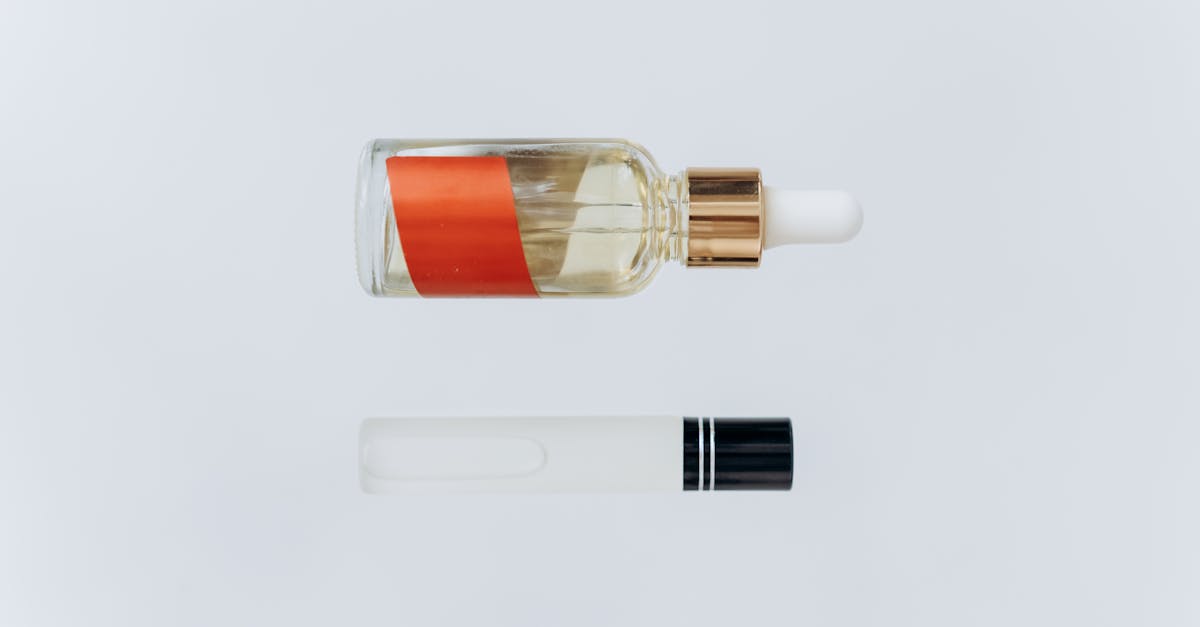
✨ Glaze Theory Verdict: TL;DR
- Best For: Thinning hair, slow growth, flaky scalp, those seeking natural alternatives.
- Key Ingredient: Rosemary Oil (Rosmarinus officinalis).
- The Result: Thicker-looking hair, reduced shedding, and a healthier, more balanced scalp over consistent use.
Dealing with shedding, thinning strands, or just hair that seems stuck in a growth rut? We totally get it. It's frustrating to watch your once-lustrous locks lose their volume, and the world of hair growth solutions can feel overwhelming. If you're tired of products that promise the moon but deliver only disappointment, it’s time we talked about a natural hero making serious waves in the hair care community: Rosemary Oil.
For centuries, this fragrant herb has been a staple in traditional medicine, but only recently has it gained widespread scientific backing for its incredible hair growth potential. Forget the complicated routines and harsh chemicals; rosemary oil offers a gentle, plant-powered approach to nurturing your scalp and encouraging stronger, healthier hair from the roots. At Glaze Theory, we've seen firsthand the buzz and the results, and we're here to give you the honest, science-backed lowdown on why this might just be the secret weapon your scalp has been craving.
📌 Table of Contents
- 🔹 The Science: How Does Rosemary Oil Actually Work for Hair Growth?
- 🔹 Key Benefits: More Than Just Hair Growth!
- 🔹 How to Use Rosemary Oil for Max Results (Step-by-Step)
- 🔹 The "Watch Out": What You Need to Know
- 🔹 Results Timeline: What to Realistically Expect
- 🔹 Frequently Asked Questions About Rosemary Oil for Hair
- 🔹 Glaze Theory's Final Thoughts
- 🔹 Is Rosemary Oil right for your scalp?
- 🔹 🗣️ Real Talk: What Users Are Saying
The Science: How Does Rosemary Oil Actually Work for Hair Growth?
It's not just an old wives' tale; the magic of rosemary oil is rooted in some pretty compelling science. Studies have shown that rosemary oil can effectively stimulate hair growth, often compared favorably to minoxidil (a common ingredient in OTC hair loss treatments), but with fewer reported side effects. Here’s how it works:
- Boosts Circulation: Rosemary oil is a powerful vasodilator, meaning it helps to widen blood vessels. When applied to the scalp, it increases microcirculation, ensuring your hair follicles receive a richer supply of oxygen and nutrients essential for growth. Think of it as fertilizer for your scalp!
- DHT Blocker: Dihydrotestosterone (DHT) is a hormone linked to androgenic alopecia (pattern baldness). Rosemary oil has been found to inhibit the activity of the enzyme 5-alpha-reductase, which converts testosterone to DHT. By reducing DHT's impact, it can help prevent follicle shrinkage and hair loss.
- Anti-Inflammatory & Antioxidant: A healthy scalp is the foundation for healthy hair. Rosemary oil's anti-inflammatory and antioxidant properties can soothe irritated scalps, reduce dandruff, and protect follicles from oxidative stress that can contribute to hair damage and loss.
Key Benefits: More Than Just Hair Growth!
While hair growth is its star performance, rosemary oil brings a whole ensemble of benefits to your scalp and strands:
- Stimulates Hair Follicles: Directly encourages new hair growth and can help wake up dormant follicles.
- Reduces Hair Loss: Strengthens existing hair, minimizing breakage and shedding.
- Improves Scalp Health: Its antimicrobial properties can help combat dandruff, dryness, and itchiness, creating an optimal environment for hair to thrive.
- Adds Shine & Softness: While primarily a scalp treatment, many users report improved hair texture and shine over time.
- Natural Alternative: A great option for those seeking a more natural approach to hair care without harsh chemicals.
How to Use Rosemary Oil for Max Results (Step-by-Step)
Ready to incorporate this powerhouse into your routine? Here’s our Glaze Theory guide to getting it right:
- Dilute, Dilute, Dilute! Never apply pure rosemary essential oil directly to your scalp. Mix 2-3 drops of rosemary essential oil with one teaspoon of a carrier oil like jojoba, argan, sweet almond, or even extra virgin olive oil. For a larger batch, you can add about 10-15 drops of rosemary oil to 2 ounces (60ml) of carrier oil in a dropper bottle.
- Scalp Application: Part your hair and apply the diluted oil mixture directly to your scalp, focusing on areas of concern (e.g., temples, crown). Use a dropper for precision.
- Massage It In: Gently massage your scalp with your fingertips for 5-10 minutes. This not only helps distribute the oil but also further stimulates blood flow, boosting the oil’s efficacy.
- Let It Sit: Leave the oil on your scalp for at least 30 minutes, or even overnight for a more intensive treatment. You can cover your hair with a shower cap to protect your pillow.
- Shampoo & Condition: Wash your hair thoroughly with shampoo to remove the oil. You might need to shampoo twice, especially if you’ve used a heavier carrier oil like castor oil. Follow with your regular conditioner.
- Frequency: For best results, aim for 2-3 times per week. Consistency is the real secret sauce here!
The "Watch Out": What You Need to Know
While rosemary oil is generally well-tolerated, it's not without its considerations:
- Patch Test is Non-Negotiable: Always, always do a patch test on a small, inconspicuous area of your skin (like behind your ear or inner arm) 24 hours before full application to check for any irritation or allergic reactions.
- Irritation: If you experience redness, itching, or stinging, wash it off immediately. You might need to further dilute your mixture or discontinue use.
- Pregnancy & Breastfeeding: Consult with your doctor before using essential oils if you are pregnant or breastfeeding.
- Consistency is Key, Not Speed: Don't expect overnight miracles. Hair growth is a slow process, and you'll need patience and consistent application to see results.
Results Timeline: What to Realistically Expect
We're all about real talk here at Glaze Theory. Here's a typical timeline:
- 1-2 Months: You might notice a healthier-feeling scalp, reduced oiliness, and potentially less shedding.
- 3-6 Months: This is when many users start to see visible improvements – new baby hairs, increased thickness, and overall healthier growth.
- 6 Months +: Continued use will consolidate results, leading to significant improvements in density and length for many.
Remember, everyone's body responds differently. Factors like genetics, diet, stress levels, and existing hair conditions all play a role.
Frequently Asked Questions About Rosemary Oil for Hair
We hear your questions, bestie! Here are the most common ones:
How long does it take to see results from rosemary oil for hair growth?
Consistency is key! Most people begin to notice subtle improvements in hair thickness and reduced shedding after 3-6 months of consistent use. Significant growth often requires 6 months to a year, similar to many other hair growth treatments. Don't give up too soon!
Can I use pure rosemary oil directly on my scalp?
Absolutely not! Pure essential oils are highly concentrated and can cause irritation, redness, or even chemical burns. Always dilute rosemary essential oil with a carrier oil like jojoba, argan, or coconut oil. A good ratio is 2-3 drops of rosemary oil per teaspoon of carrier oil. Always perform a patch test first.
Is rosemary oil safe for all hair types?
Yes, when properly diluted, rosemary oil is generally safe for all hair types, including color-treated hair. The focus is on scalp health. However, if you have a very sensitive scalp or a known allergy to rosemary, it's best to consult with a dermatologist or avoid use. Always dilute and patch test!
📢 Share the Glow
Glaze Theory's Final Thoughts
Rosemary oil isn't a quick fix, but it's a powerful, natural ally in the journey to healthier, fuller hair. It's affordable, accessible, and backed by a growing body of evidence. If you're patient and consistent, incorporating diluted rosemary oil into your routine can make a noticeable difference in your hair growth journey and overall scalp health. Give it a try — your hair might just thank you!
Is Rosemary Oil right for your scalp?
I have a sensitive scalp
⛔ Proceed with caution! Always dilute rosemary oil generously with a carrier oil (e.g., 5-6 drops per 2 tablespoons of carrier). Start with a very small amount and frequency (once a week) and always perform a patch test first. Listen to your scalp!
I have a resilient scalp
✅ Yes! Rosemary oil is likely a great addition to your routine. Start with a standard dilution (2-3 drops per teaspoon of carrier oil) 2-3 times a week. Enjoy the stimulating benefits for growth and scalp health!
🗣️ Real Talk: What Users Are Saying
We scoured Reddit, TikTok, and beauty forums to get the unfiltered scoop on rosemary oil:
- ✅ The Hype: Many users swear by rosemary oil for new hair growth, especially "baby hairs" around the hairline, and report reduced shedding. It's often praised as a natural, affordable alternative to more expensive treatments, with some even comparing its efficacy to minoxidil after consistent use. People love that it also helps with scalp issues like dryness and oiliness.
- ⚠️ The Gripe: The most common complaint is the time it takes to see results – many feel discouraged if they don't see changes within a month or two. Some find the smell strong, and others experience greasiness if they don't wash it out thoroughly or use too much carrier oil. A small percentage reports scalp irritation, emphasizing the need for proper dilution and patch testing.
- 💡 Pro Tip: The community's favorite hack is to apply diluted rosemary oil as a pre-shampoo treatment. Apply, massage for 10-15 minutes, leave on for at least 30 minutes (or overnight), and then shampoo normally. This minimizes greasiness and maximizes scalp absorption! Also, pairing it with a scalp massager seems to be a popular combo for boosted circulation.